

Michigan’s Upper Peninsula Travel Guide
Michigan’s Upper Peninsula is where shorelines, pine forests, and small towns surround the cold, clear waters of Lake Superior. From Munising’s sandstone cliffs and Marquette’s college-town energy to the Keweenaw’s end-of-the-road feel and the Porcupine Mountains’ backcountry ridges, this region feels more rugged and remote than the Lower Peninsula. It’s a place for chasing waterfalls, watching the Northern Lights, wandering quiet harbors, and realizing “Up North” can feel a little wilder than you’d expected.
Start Here: Is the Upper Peninsula Right for Your Next Trip?
If your idea of Michigan is lighthouses, waterfalls, starry skies, and roads that feel a bit off the beaten path, the Upper Peninsula (the “U.P.”) will feel like the right kind of adventure. It’s a good fit if you don’t mind longer drives between towns, want less polish and more wilderness, and are happy trading big-city amenities for dark skies and quiet nights.
If you’re still deciding which part of the state suits you best, you can always zoom back out with the First-Timer’s Guide to Michigan before you zoom back in here.
Perfect if you want:
- A wild “Up North” experience with waterfalls, cliffs, and forests all in one trip.
- Lake Superior scenery, from Pictured Rocks’ colorful bluffs to remote pebble beaches and lighthouses.
- Small-town bases that keep you close to state parks, hiking trails, and scenic drives.
- Four-season adventure, including summer hiking and paddling, plus winter snowmobiling and skiing.
- Room to slow down, disconnect, and explore a region that still feels a bit undiscovered compared to the Lower Peninsula.
You can browse Michigan Vacations by Region on the main Michigan hub to compare options, then circle back here when you’re ready to plan an U.P. escape.
Best Towns in Michigan’s Upper Peninsula (Where to Base Yourself)
Think of these towns as your “choose your own adventure” bases. Each one offers a different mix of Lake Superior views, waterfalls, history, and trails, and they all make good starting points for exploring a wider slice of the peninsula.
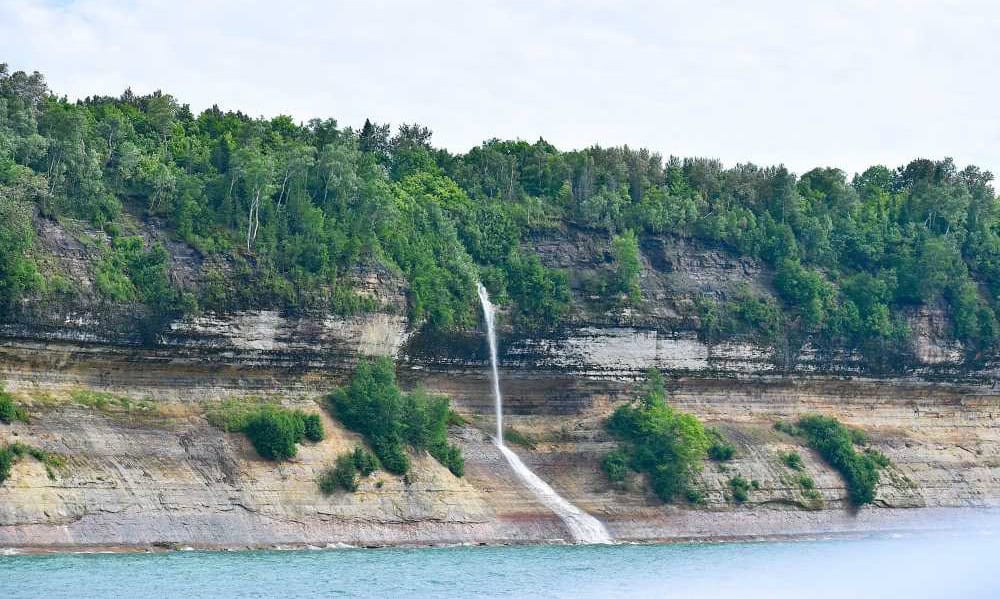
Munising
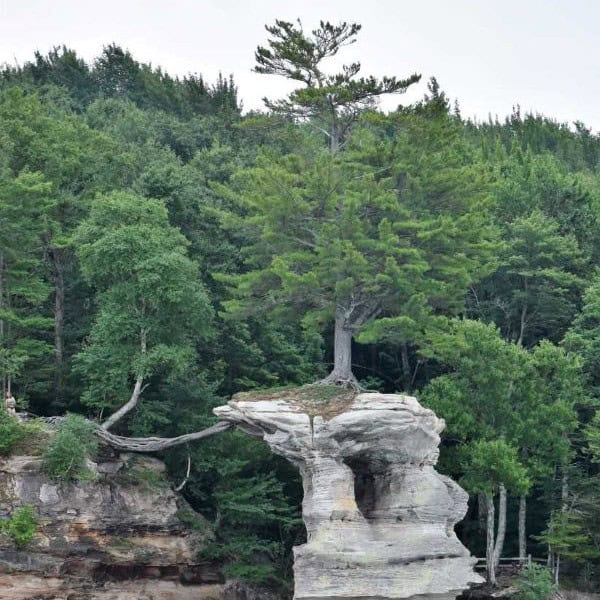
Munising is the main gateway to Pictured Rocks National Lakeshore, with boat cruises, kayaking outfitters, and trailheads all within a short drive of town. Stay here if you want to see iconic spots like Miners Castle, Miners Falls, and Chapel Rock, or if “chasing waterfalls” is at the top of your list. Use Munising as a base for short hikes, sunset cruises, and day trips west toward Marquette or east toward Grand Marais.
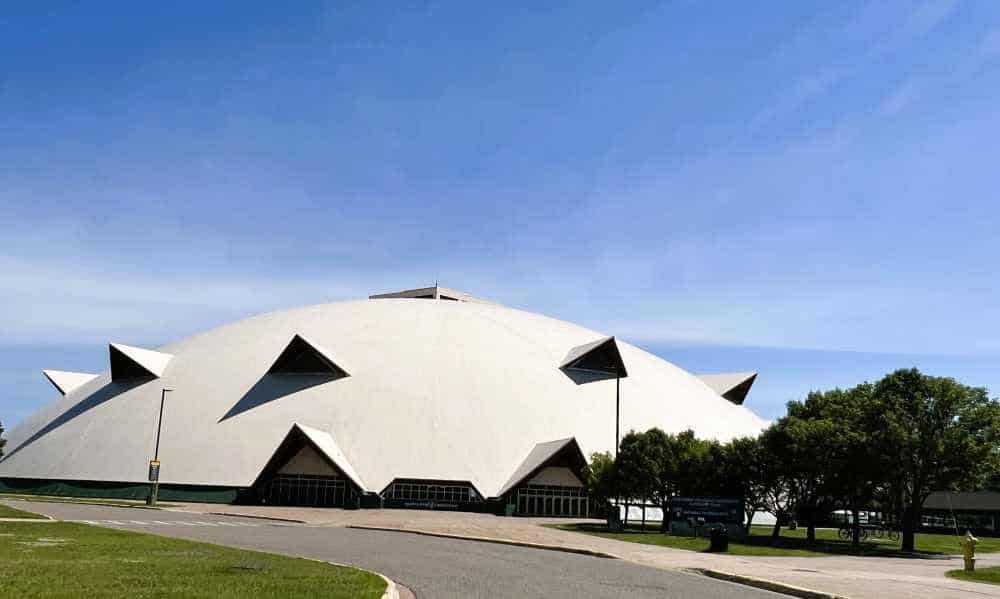
Marquette
Marquette blends a walkable downtown and college-town energy with easy access to Lake Superior beaches, city trails, and nearby waterfalls. It’s a strong base if you like pairing coffee shops and local restaurants with day hikes, bike trails, and scenic overlooks like Sugarloaf Mountain. Marquette also works well as a central hub if you’re road-tripping across the central U.P. and want a few nights with more dining options.
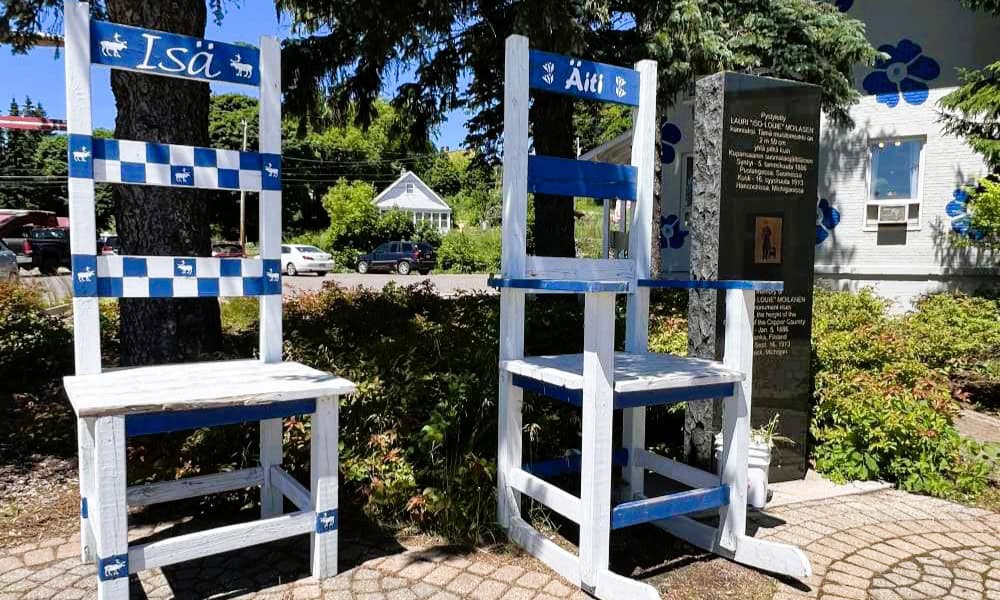
Houghton/Hancock
Houghton and Hancock sit where the Keweenaw Peninsula begins, with a historic lift bridge connecting the two sides, a mix of college-town bustle and copper-mining history. Base yourself here for access to restaurants, lodging, and services as you explore farther north toward Calumet and Copper Harbor. It’s a good middle ground if you like a bit of convenience but still want that “end of the road” feeling just a scenic drive away.
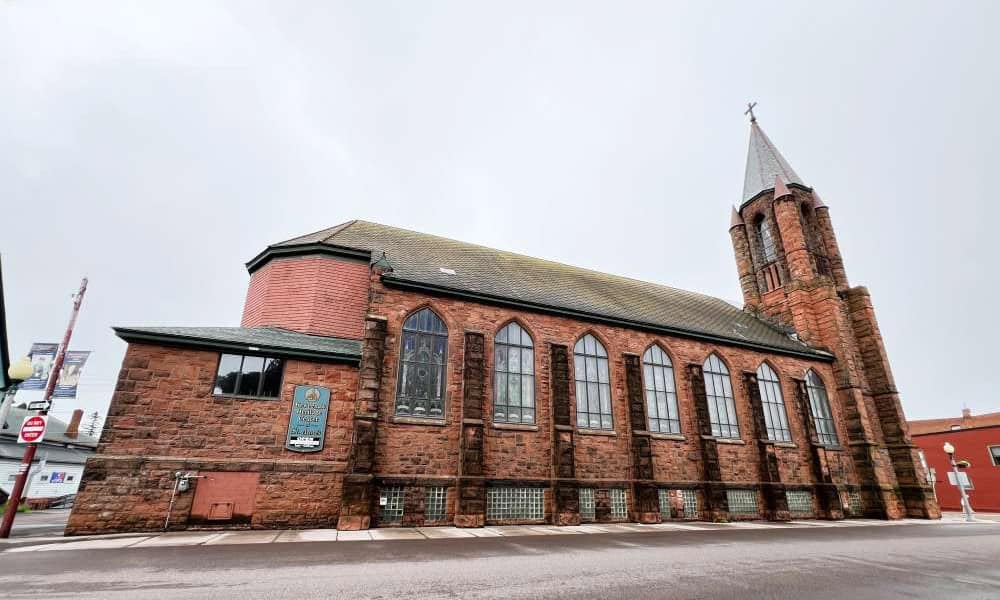
Calumet
Calumet feels like a living museum of the copper boom, with historic buildings, heritage sites, and easy access to Keweenaw backroads and Lake Superior shoreline. Stay here if you’re drawn to mining history, ghost-town remnants, and quieter streets where you can step from town right into the past. Use Calumet as a base to explore nearby parks, lighthouses, and stretches of wild coast between here and Copper Harbor.
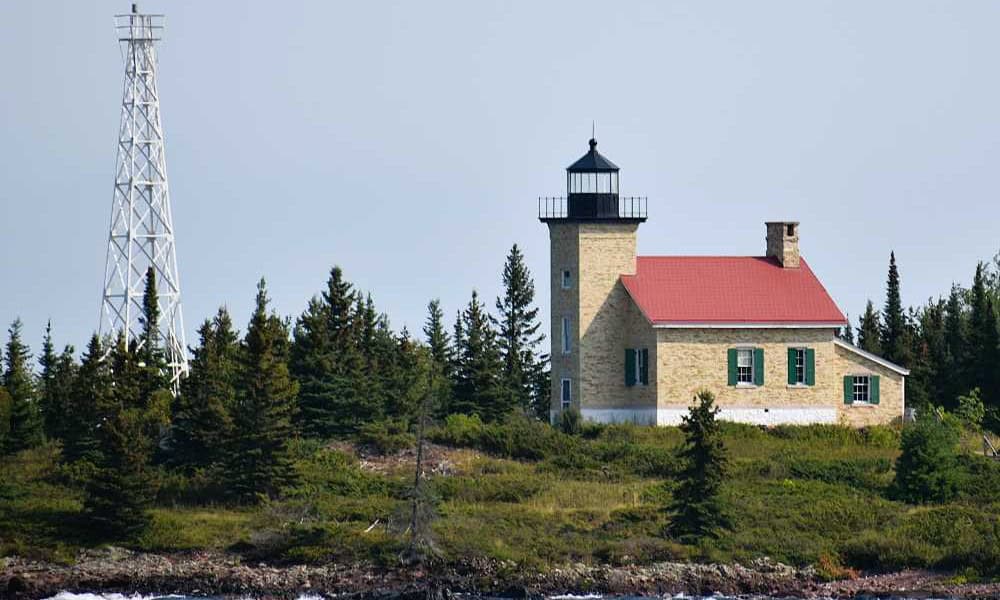
Copper Harbor
Copper Harbor sits at the literal end of U.S. 41, surrounded by forest, Lake Superior, and some of the state’s most scenic drives. It’s ideal if you want mountain biking, hiking, and stargazing, plus access to boat trips to Isle Royale when in season. Choose Copper Harbor if you’re happy with fewer services and love the idea of long views, dark skies, and feeling about as far “Up North” as you can go in Michigan.
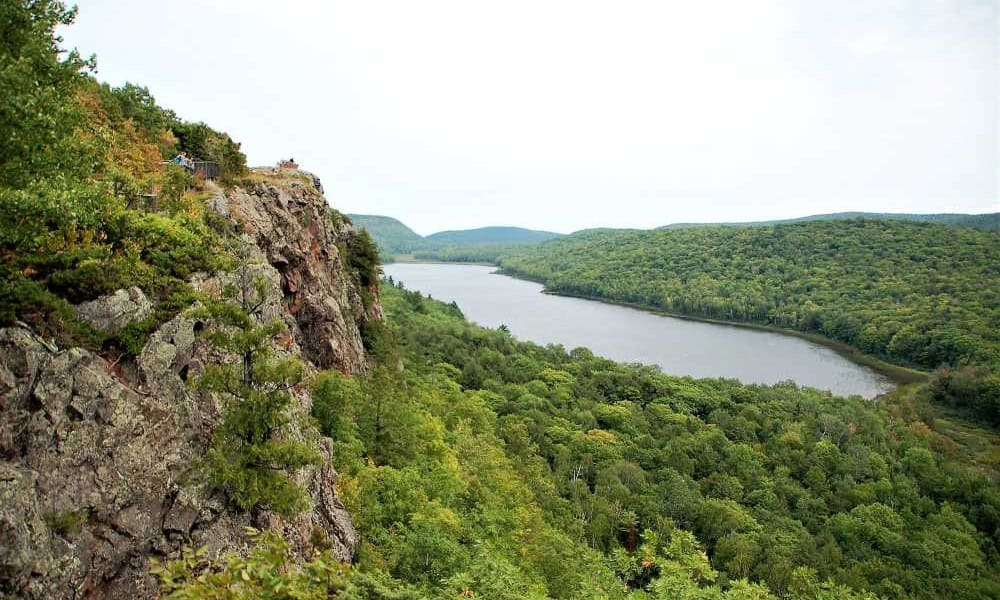
Ontonagon
Ontonagon and the area around Porcupine Mountains Wilderness State Park give you easy access to rugged ridges, Lake of the Clouds, and stretches of Lake Superior shoreline. Make this your base if hiking, backcountry-feel overlooks, and fall color are priorities, and you don’t mind driving a bit for services. The Porcupine Mountains area is appealing to travelers who want to trade crowds for big scenery and quieter trailheads.
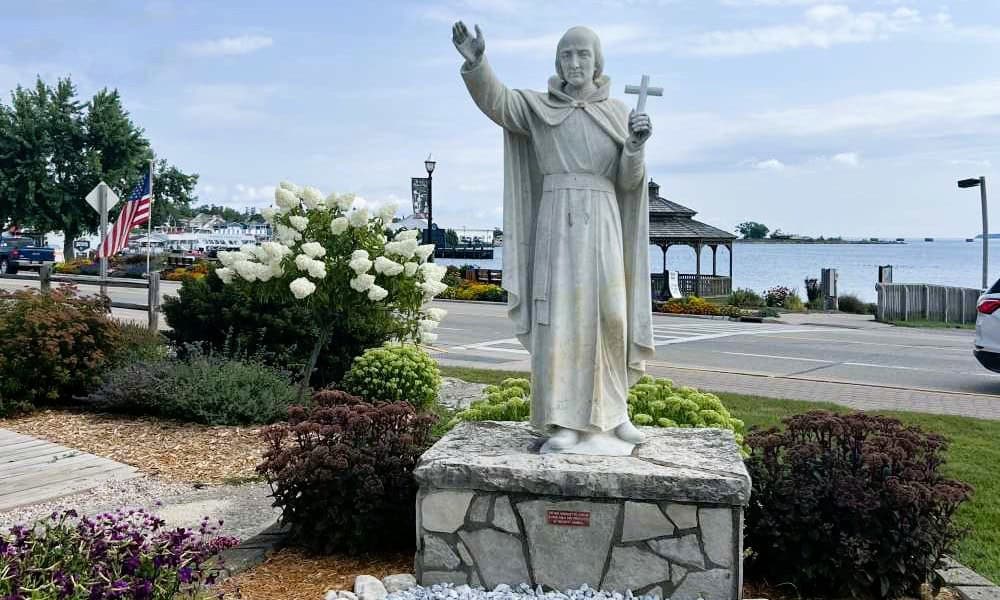
St. Ignace
St. Ignace sits just across the Mackinac Bridge, making it an easy first-night base when you cross into the Upper Peninsula or a last stop before heading south into the Lower Peninsula. Choose St. Ignace as a great place to learn more about Michigan’s early history.
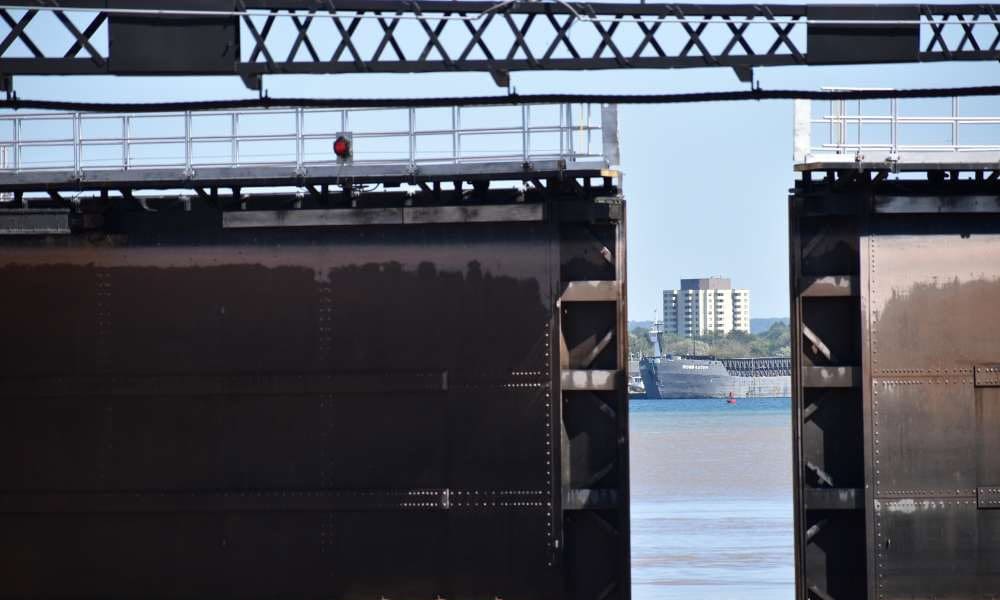
Sault St. Marie
Sault Ste. Marie pairs Great Lakes shipping history with views of the famous Soo Locks and St. Mary’s River. Choose Sault St. Marie if you’re planning a loop that includes Tahquamenon Falls, Whitefish Point, or day trips into Ontario.
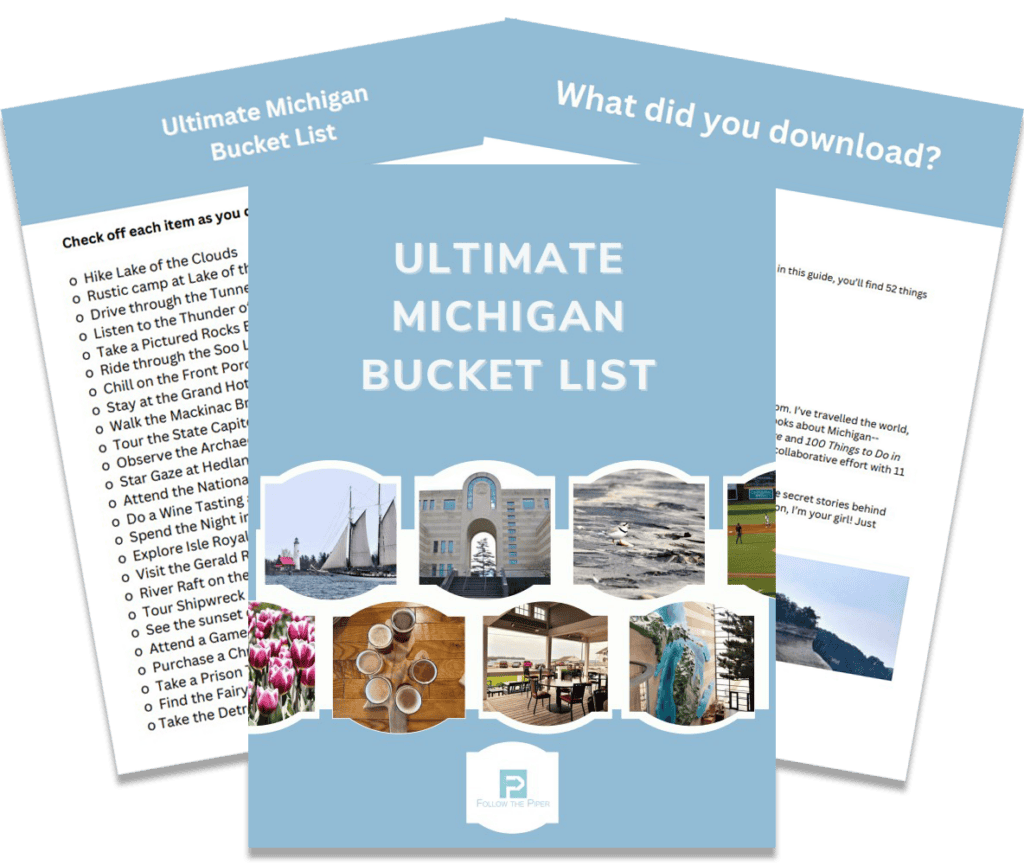
If you’re creating a list of Michigan adventures, start with The Ultimate Michigan Bucket List Adventure Guide. These moments are often the ones you’ll remember most and plan future trips around.
Top Things to Do in the Upper Peninsula
The U.P. is all about mixing waterfalls, wild shoreline, and small towns into one road-trip-friendly region. Use these ideas as starting points, then follow the links on Follow the Piper to dive deeper into each experience.
Waterfalls, Cliffs & Lake Superior Beaches
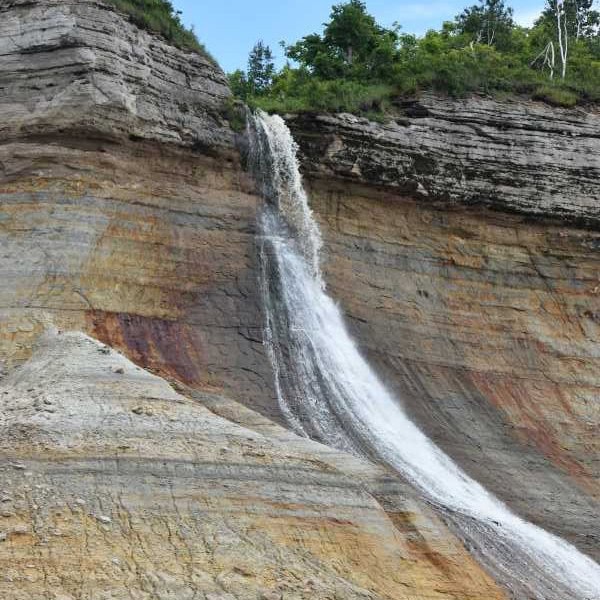
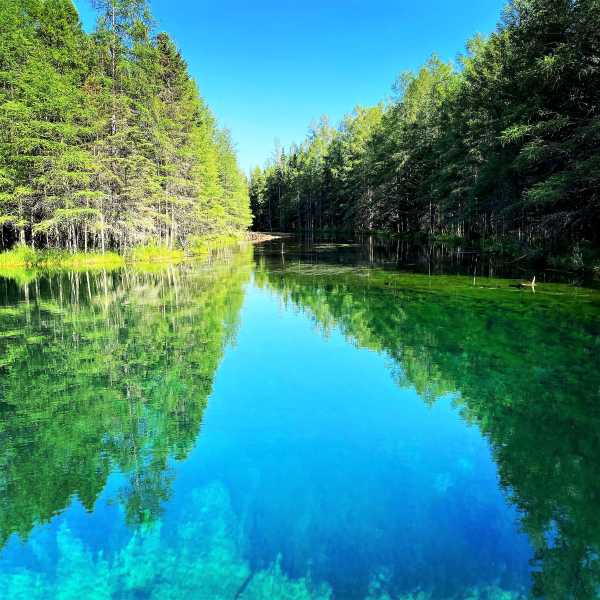
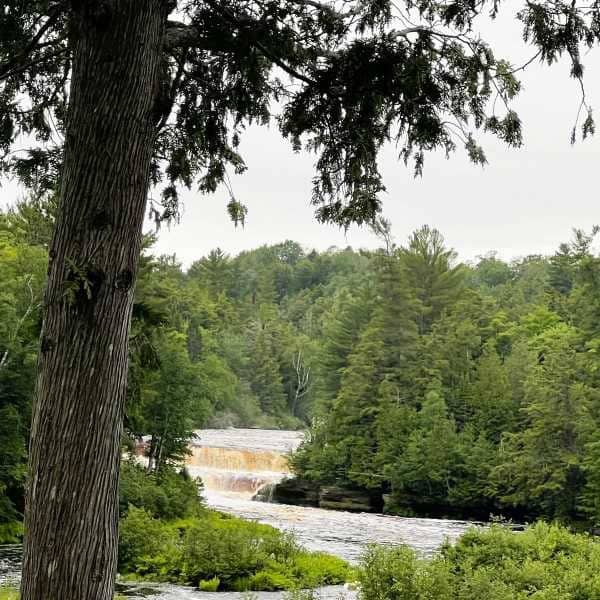
The Upper Peninsula is famous for its concentration of waterfalls, many of them a short walk from the road and surrounded by forest. Pictured Rocks National Lakeshore adds colorful sandstone cliffs, sea caves, and beaches that feel surprisingly remote once you leave town behind. Around the region, you’ll also find quiet Lake Superior beaches where you can skip stones, watch waves, and catch big-sky sunsets.
Scenic Drives & Classic Routes
If you love the drive as much as the destination, the U.P. delivers with curving, tree-lined roads and long stretches of shoreline. Popular routes include drives up the Keweenaw Peninsula to Copper Harbor, loops around the Porcupine Mountains, and shoreline highways linking waterfalls, lighthouses, and small towns. The fall color season makes these drives especially memorable when forests turn red, orange, and gold.
Hiking, Biking & Outdoor Adventure
The region’s trail systems range from easy waterfall walks to longer hikes with sweeping views of Lake Superior. You can hike to overlooks like Lake of the Clouds, bike purpose-built trails in the Keweenaw, or snowshoe and ski once winter settles in. With so much state and national land, it’s easy to alternate town time with mornings on the trail or evenings watching the sky for Northern Lights when conditions cooperate.
History, Lighthouses & Small-Town Strolls
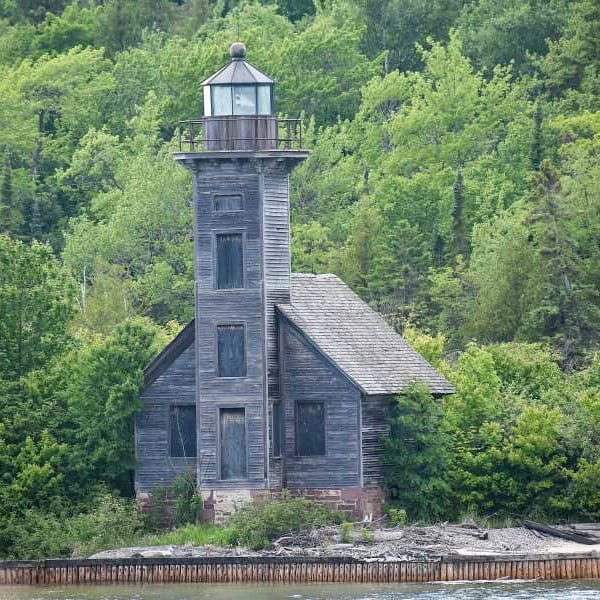
Between outdoor stops, you can explore copper-mining ruins, maritime museums, and lighthouses that tell the story of shipping and shipwrecks on the Great Lakes. Towns like Calumet and Houghton highlight the copper boom days, while Sault Ste. Marie showcases Great Lakes shipping at the Soo Locks. In between, small downtowns offer local shops, cafés, restaurants with waterfront views, and spots to sit with a coffee and watch life move at U.P. speed.
Piper’s Pro Planning: Michigan’s Upper Peninsula
- Driving times: Plan roughly 5 hours from Detroit to the Mackinac Bridge, then another 30 minutes to reach gateway towns like St. Ignace or 2 hours to reach Munising. Plan 7 hours if you’re heading all the way to Marquette, plus even more time if you’re headed to the Keweenaw Peninsula or the Porcupine Mountains. Build in extra time for construction, two-lane roads, and photo stops. While distances don’t look far on the map, you’ll drive on two-lane highways, rather than the Interstate.
- Paper maps: Cell service in the U.P. is unreliable, so be sure to take a paper map.
- Road-trip pacing: Instead of trying to “do the whole U.P.” in one trip, choose one or two anchor regions, like Munising plus Marquette, or the Keweenaw plus the Porcupine Mountains. Plan a loop around them. This keeps driving times reasonable and lets you enjoy the places you’re visiting.
- Lodging and booking: Summer and peak fall-color weeks book up earliest in hot spots like Munising, Marquette, Copper Harbor, and the Porcupine Mountains area. Reserve waterfront stays and popular cabins several months to a year in advance. Consider the shoulder seasons if you prefer lower prices and more flexibility.
- Weather mindset: Lake Superior can change conditions quickly, from fog to sudden wind and waves, so build flexibility into boat tours and kayaking plans. Pack layers, rain gear, and good footwear year-round, even in midsummer.
- Driving vs. flying: Most visitors drive into the U.P., often combining it with time in other parts of Michigan or nearby states. If you’re flying, look at regional airports like Marquette or the Soo, then rent a car. When flying into the Soo, make sure you are choosing a flight into Michigan, not Ontario. Public transportation is limited.
When to Visit the Upper Peninsula
There’s no bad time to visit the U.P., but your experience changes a lot by season. Think about whether you want warm-weather hiking and lake time, peak fall foliage, deep winter snow, or quieter shoulder-season escapes.
Summer: Long Days & Lake Time
June through August bring the warmest weather, making it the most popular time for hiking, camping, paddling, and waterfall-hopping. Lake Superior stays cool even in summer, but lakes and rivers inland are more comfortable for swimming and boating. Expect busier trailheads and attractions around spots like Pictured Rocks, the Keweenaw Peninsula, and the Porcupine Mountains. Plan ahead for lodging in the most popular towns.
Fall: Color, Harvest, and Scenic Drives
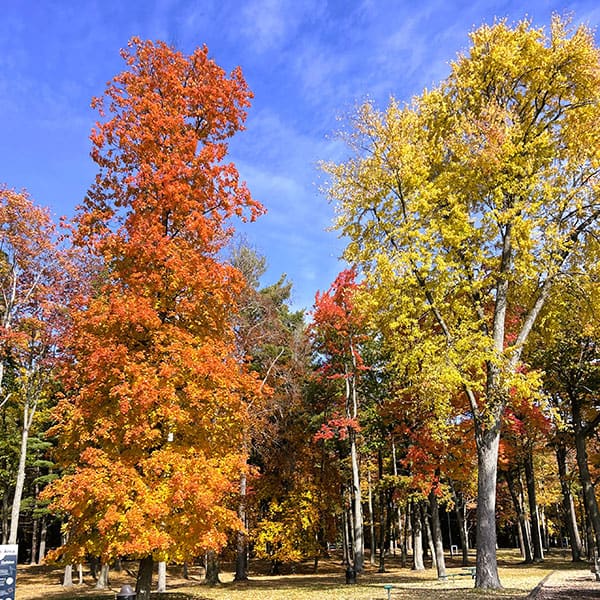
From late September into mid-October, the Upper Peninsula turns into a fall-color road trip, with hillsides and hardwoods lighting up along major drives and park roads. Cooler temperatures make hiking more comfortable, mosquitoes fade, and towns feel busy without summer’s peak crowds. This is a great time for photographers, road-trippers, and anyone who wants to pair scenic overlooks with crisp air and cozy evenings.
Winter: Snow, Silence, & Snowmobiles
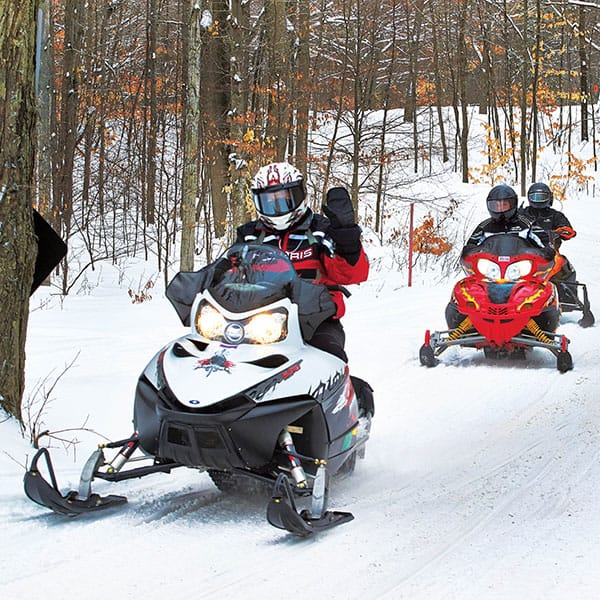
In winter, the U.P. becomes one of the Midwest’s go-to destinations for snowmobiling, cross-country skiing, and other cold-weather adventures. Many trails become snowmobile routes, and lake-effect snow provides reliable coverage in key areas, especially near Lake Superior. Towns feel quieter, but those who come for winter sports and cozy stays usually find the trade-off worth it.
Spring: Waterfalls & Shoulder-Season Calm
Spring starts slowly, with snow lingering in some spots, but by late April and May, trails begin to dry out, and waterfalls swell with snowmelt. This shoulder season brings fewer visitors, better odds of finding last-minute lodging, and a mix of chilly mornings and increasingly mild afternoons. It’s a good fit if you’re flexible about weather and more interested in quieter travel than in having every seasonal business open.
FAQs about Michigan’s Upper Peninsula
Summer, June through August, brings the warmest weather. You’ll have long days, and the easiest conditions for hiking, waterfall-hopping, and boat tours, but it’s also the busiest and priciest. Fall, late September until mid-October, is ideal for color and cooler hiking weather. Winter is best if you’re specifically seeking snowmobiling and ski trips rather than general sightseeing.
You can get a taste of one region, for example, Munising plus Pictured Rocks or Marquette, in 3 to 4 days. This is especially true if you fly in or limit yourself to a smaller radius. For a broader “greatest hits” loop that includes at least two areas, such as Pictured Rocks plus the Keweenaw or the Porcupine Mountains, plan 5 to 7 days so your trip feels like exploring, not just driving.
For a first visit, most people prioritize Pictured Rocks, Tahquamenon Falls, the Soo Locks, a stretch of the Lake Superior shoreline, and one “wilder” area, such as the Keweenaw or the Porcupine Mountains. Popular bases include Munising for Pictured Rocks, Marquette for dining plus trails, and Houghton, Copper Harbor or Ontonagon for the Keweenaw and Porcupine Mountains. St. Ignace or Sault Ste. Marie are the easy eastern gateways.
Yes, you’ll absolutely need a car. Distances are longer than many first-timers expect, public transit is almost non-existent, and some of the best sights are down two-lane highways or smaller roads. Driving is generally straightforward in good weather, but you should plan for slower speeds, occasional wildlife on the road, patchy cell service, and winter conditions that can be serious enough to change your plans.
Even in July, Lake Superior can keep things cool and foggy, so layers, a light jacket, and a rain shell are smart. Add sturdy walking shoes, bug protection for late spring through mid-summer, and a backup warm layer so you’re comfortable on windy overlooks and boat tours.
The U.P. works well for families, older travelers, and solo visitors if you match activities to your comfort level. Pay attention to cliffs, waterfalls, and drop-offs, especially when hiking. Choose shorter, well-marked trails, book in-town lodging, and keep an eye on the weather and daylight. You’ll find the region feels welcoming and friendly, more remote than intimidating.
Use this Upper Peninsula, Michigan guide to choose your base, then dive into the town and experience guides that fit your travel style.